

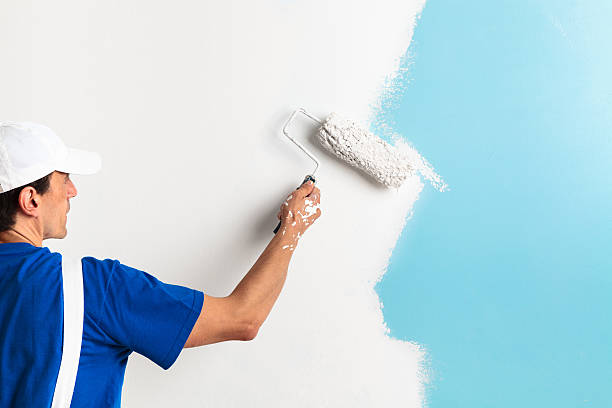
Choosing the perfect color palette for your home can be an exciting yet challenging task. With thousands of shades, tones, and finishes available on the market, it’s easy to feel overwhelmed. This is where hiring professional painters or color consultants can make a difference. Their expertise and industry knowledge can simplify the decision-making process, ensuring that your space achieves both aesthetic appeal and functionality.
Expertise in Color Theory
Professionals are well-versed in color theory, which plays a crucial role in selecting complementary shades and creating harmonious spaces. They understand how colors interact with light, furniture, and architectural elements, allowing them to suggest options you may not have considered.
For example:
– Warm tones like earthy reds or soft oranges create cozy environments ideal for living rooms or dining areas.
– Cool tones like blues or greys evoke calmness and are often recommended for bedrooms or offices.
– Neutral palettes provide versatility; they serve as great backdrops for art or other bold decor elements.
Access to Tools and Resources
When faced with indecision, professionals often use advanced tools such as digital renderings to show how specific colors will look in your space under different lighting conditions. They might also provide large sample swatches so you can see how paint colors appear at various times of day.
Tailored Recommendations Based on Your Needs
A professional will consider factors such as:
– Room size: Lighter colors make smaller spaces feel larger, while darker hues add depth to oversized rooms.
– Natural lighting: South-facing rooms benefit from cool shades to tone down brightness, whereas north-facing spaces can feel cozier with warm hues. – Purpose of the room: A child’s playroom might benefit from fun, vibrant colors while a home office would require more subdued tones for focus.
These personalized insights ensure that your chosen color scheme enhances both form and function.
Saving Time and Reducing Stress
Instead of spending hours researching paint samples or second-guessing your choices, professionals streamline the process by narrowing down options tailored specifically for your project goals. This allows you to focus on other aspects of renovation without unnecessary stress.
Budget Optimization
Color experts can help you avoid costly mistakes by steering you away from unsuitable choices that may clash with your overall design vision. Additionally: – They know which brands provide durable finishes for high-traffic areas. – They recommend paints with high coverage rates that minimize wastage.
| Budget-Friendly Tips by Professionals | Benefits |
| Opting for versatile neutral base coats | Lower repainting costs if design trends change |
| Choosing high-quality paint finishes | Longer-lasting results requiring fewer touch-ups |
| Testing small samples before purchasing gallons | Avoids over-purchasing unnecessary products |
An Objective Perspective
Sometimes personal preferences might limit creativity when selecting colors for a space. A professional offers an unbiased perspective that incorporates trends while aligning with your personal style.
Hiring professionals eliminates guesswork when facing overwhelming choices in color selection, ensuring thoughtful decisions that maximize beauty and functionality throughout your home.
Painters Northwest Ohio: Understanding the Difference Between Limewash, Lime Paint, and Lime Plaster for Your Next Painting Project
When approaching a new painting project, understanding the difference between limewash, lime paint, and lime plaster can help you make informed decisions about the materials and finishes that suit your space. These materials, while similar in some ways, each have unique properties and applications that can significantly impact both aesthetics and functionality. Below is an in-depth breakdown of these three options.
What Is Limewash?
Limewash is a traditional finish made from slaked lime and water. It has been used for centuries due to its natural composition and versatility.
Key Characteristics of Limewash: – Matte Finish: Provides a soft, chalky texture that absorbs light beautifully. – Natural Composition: Made from limestone that has been heated, mixed with water, and aged. – Breathability: Allows moisture to evaporate rather than trapping it within walls. – Subtle Color Variations: Creates depth through its layered application.
When to Use Limewash: Limewash is ideal for historic homes or rustic interiors where subtle texture and natural finishes are desired. It works well on porous surfaces like brick or stone but may require additional preparation when applied to drywall or nonporous substrates.
What Is Lime Paint?
Lime paint shares some similarities with limewash but differs in key ways due to its formulation. It includes pigments and other binders that enhance its durability and coverage.
Key Characteristics of Lime Paint: – Versatile Application: Can be used on a wider range of surfaces compared to limewash. – Higher Opacity: Offers more consistent coverage with fewer coats. – Customizable Colors: Available in a variety of shades thanks to added pigments.
When to Use Lime Paint: This finish works well in modern interiors where you want the texture of lime-based finishes without sacrificing durability or color consistency.
| Feature | Limewash | Lime Paint |
| Surface Coverage | Less opaque | More opaque |
| Durability | Moderate | Higher |
| Application | Best on porous surfaces | Suitable for most surfaces |
| Color Range | Limited | Extensive |
What Is Lime Plaster?
Lime plaster is different from both limewash and lime paint because it’s applied as a thicker layer to create textured wall finishes. It’s commonly made by mixing slaked lime with sand or other aggregates.
Key Characteristics of Lime Plaster: – Thick Application: Applied as layers rather than thin coats. – Textural Variety: Can be polished for a smooth look or left rough for added character. – Highly Durable: Forms a robust finish over time due to carbonation (reaction with CO2).
When to Use Lime Plaster: Lime plaster is particularly effective for adding depth and richness to walls in high-end residential or commercial spaces. It’s often associated with Venetian plaster techniques or Tuscan-inspired interiors.
How Do They Differ?
To summarize their distinctions: 1. Limewash provides an antique-style matte effect but requires porous substrates like brick or stone. 2. Lime Paint offers greater flexibility across surface types while delivering similar textures. 3. Lime Plaster creates dramatic textured finishes suitable for feature walls or luxury designs.
Choosing between these three options depends largely on the aesthetic goals of your project as well as practical considerations such as durability requirements, surface type, and maintenance preferences.
By understanding these differences, you can confidently select the right material that aligns with your vision while delivering long-lasting results tailored to your space’s unique needs.
How to Choose a Painting Company Ohio Residents Trust for Wallpaper Installation and Selection
Wallpaper installation can elevate the appearance of your space, bringing texture, pattern, and personality to your walls. However, it’s important to approach this project with a clear understanding of costs and how your wallpaper choices influence the installation process. Below, we explore steps to obtaining an accurate estimate and why your selection matters for both budget and design outcomes.
Steps to Get an Accurate Wallpaper Installation Estimate
- Measure Your Walls
Start by determining the dimensions of the area you wish to cover. Measure both the height and width of each wall, accounting for doors, windows, or other structural elements that may reduce the amount of wallpaper needed. - Use a measuring tape for precise dimensions.
- Multiply height by width for each wall to calculate square footage.
- Deduct areas like windows or built-ins from your total square footage.
- Understand Pattern Repeat
If you’re selecting a patterned wallpaper, inquire about its “pattern repeat.” This refers to how frequently a design repeats on the roll and impacts how much extra material is required for proper alignment during installation. Larger patterns may result in more waste compared to solid colors or smaller patterns. - Consult a Professional Installer
While online calculators can provide rough estimates, professionals bring expertise in accounting for complexities such as uneven walls or intricate designs. Share details about your chosen wallpaper type (e.g., vinyl vs. grasscloth) so they can provide accurate labor costs based on material-specific challenges. - Request Itemized Quotes
Seek itemized estimates that break down:- Cost of labor per square foot.
- Additional charges for prep work (like repairing damaged walls).
- Expected waste due to pattern matching.
- Any extra fees related to travel or working in high spaces (like ceilings).
- Factor in Removal Costs (if applicable)
If you need existing wallpaper removed before installation, confirm this step is included in the quote as it often incurs additional labor charges.

Why Your Wallpaper Selection Matters
Choosing the right wallpaper goes beyond aesthetics—it influences cost, durability, and ease of application.
Material Type
The type of wallpaper you select significantly affects installation complexity: – Vinyl Wallpapers: Durable and relatively easy to install but may require careful smoothing tools. – Grasscloth: Natural fibers create texture but are prone to visible seams. – Peel-and-Stick: Ideal for DIY projects but often more expensive per roll compared to traditional options.
| Material Type | Ease of Installation | Durability | Cost Range ($/Roll) |
| Vinyl | Moderate | High | $20–$50 |
| Grasscloth | Challenging | Medium | $50–$150 |
| Peel-and-stick | Easy | Medium | $30–$70 |
Design Complexity
Intricate patterns require careful alignment during application, increasing labor time (and therefore costs). Similarly: – Bold prints might overpower small rooms if not balanced with complementary decor. – Subtle textures add depth without overwhelming minimalist interiors.
Room Functionality
Think about wear-and-tear when selecting materials: – Kitchens and bathrooms benefit from moisture-resistant vinyl options. – Bedrooms or living rooms offer greater flexibility with delicate finishes like silk-backed wallpapers.
Final Thoughts
By carefully measuring your space and sharing detailed information about your project with professional installers, you’ll achieve more precise cost estimates that align with your budget and vision. Additionally, making informed decisions about material types and designs ensures that both aesthetic appeal and functional requirements are met seamlessly during installation.
Discover Professional Painting Services Northwest Ohio for Your Next Interior Project
Lime plaster is gaining renewed attention in the world of interior design, thanks to its timeless aesthetic, environmentally friendly properties, and versatile application. Unlike conventional paints or plasters, lime plaster offers a unique texture and finish that adds depth and character to any space. Below, we explore the key characteristics that make lime plaster a standout choice for interior painting projects.
What is Lime Plaster?
Lime plaster is made from natural materials such as calcium hydroxide (lime) combined with sand or marble dust. When applied, it reacts with carbon dioxide in the air to create a durable surface over time. This chemical process, called carbonation, gives lime plaster its distinctive hardness and breathability.
Benefits of Using Lime Plaster
- Lime plaster creates an elegant matte finish with subtle variations in texture.
- The material’s natural tone provides an earthy warmth that complements both modern and traditional interiors.
- It can be tinted with pigments to achieve custom colors while retaining its organic look.
- Made from natural ingredients, lime plaster is free from synthetic chemicals commonly found in conventional paints.
- It has a low carbon footprint because it reabsorbs CO2 during the carbonation process.
- Lime plaster allows walls to “breathe,” reducing moisture buildup which can lead to mold or mildew.
- This makes it ideal for older homes or regions with fluctuating humidity levels.
- Over time, lime plaster hardens into an incredibly resilient surface.
- Properly maintained lime-plastered walls can last for decades without needing significant repairs.
Key Differences Between Lime Plaster and Regular Paint
| Feature | Lime Plaster | Regular Paint |
| Composition | Natural ingredients like lime | Synthetic chemicals and pigments |
| Durability | Long-lasting; improves with age | Subject to chipping or peeling |
| Breathability | High breathability | Low breathability |
| Aesthetic | Textured matte finish | Smooth finish |
| Environmental Impact | Eco-friendly | May contain VOCs |
Common Uses of Lime Plaster in Interiors
- Accent Walls: Highlighting a single wall with lime plaster creates visual interest through its rich texture.
- Ceilings: Using lime plaster on ceilings adds dimension without overwhelming the space.
- Fireplaces: Its heat-resistant properties make it well-suited for fireplace surrounds.
- Bathrooms: The breathable nature of lime prevents moisture retention, making it excellent for humid areas like bathrooms.
Tips for Applying Lime Plaster
- Prepare the surface thoroughly by cleaning and repairing any imperfections.
- Apply multiple thin coats rather than one thick coat to ensure even coverage.
- Use specialized tools like trowels or sponges for desired textures—smooth finishes require burnishing techniques while rougher textures benefit from stippling methods.
- Allow each layer ample time to dry before applying subsequent coats; this ensures durability over time.
Why Choose Lime Plaster?
Lime plaster offers an unparalleled blend of functionality and artistry that appeals to those seeking both beauty and sustainability in their homes. Whether you favor rustic charm or sleek minimalism, this traditional material adapts effortlessly across styles while standing as a testament to craftsmanship rooted in history yet relevant today.
Why Limewash Painting is a Favorite Finish and How It Differs from Regular Paint
Limewash painting has grown in popularity due to its unique aesthetic appeal and inherent benefits. Unlike traditional paint, limewash offers an organic, textured finish that creates depth and character in a space. Understanding its distinct qualities can help you determine whether it’s the right choice for your next project.
What is Limewash Paint?
Limewash is a natural, mineral-based paint made from crushed limestone and water. When applied to porous surfaces, it absorbs into the material rather than sitting on top like conventional paints. This chemical reaction creates a matte, chalky texture that feels both timeless and earthy.
Key characteristics of limewash include:
– Eco-friendliness: Made from natural materials with no synthetic additives.
– Breathability: Allows moisture to evaporate, reducing the risk of mildew or mold on walls.
– Textured finish: Creates a soft, weathered look with subtle variations in tone.
Differences Between Limewash and Regular Paint
| Aspect | Limewash Paint | Regular Paint |
| Composition | Natural minerals (limestone) | Synthetic pigments and resins |
| Application | Requires multiple thin coats; absorbs into surface | Single or double coat; sits on surface |
| Finish | Matte with tonal variations | Smooth with uniform coverage |
| Durability | Ages beautifully but may need reapplication over time | Longer-lasting without touch-ups |
| Surface Compatibility | Best for porous surfaces like plaster or brick | Suitable for most primed surfaces |
| Environmental Impact | Low (natural ingredients) | Moderate to high (depending on VOCs) |
Benefits of Using Limewash
- Timeless Aesthetic Appeal
The subtle color variation created during application gives spaces a vintage charm that’s hard to replicate with standard paints. - Natural & Non-Toxic
Because limewash contains no harsh chemicals or volatile organic compounds (VOCs), it’s safe for use in homes aiming for eco-conscious designs. - Temperature Regulation
Lime-based finishes can help moderate indoor temperatures by naturally absorbing excess humidity. - Customizable Colors
While traditionally offered in neutral tones such as whites and greys, modern limewashes are available in an extensive palette of colors.

Tips for Applying Limewash
- Prepare the Surface Properly: Ensure walls are clean and porous enough to absorb the product effectively.
- Apply Multiple Thin Coats: Two or more layers will create depth while allowing the material’s natural texture to shine.
- Experiment with Techniques: Use brushes or sponges to achieve varied finishes depending on your design preferences.
- Test Before Full Application: Always try a sample patch first since limewash reacts differently based on wall texture and lighting conditions.
When Should You Choose Limewash Over Regular Paint?
Limewashing is ideal if you’re aiming for an earthy aesthetic that enhances architectural elements such as exposed brick or stucco walls. It’s also perfect if you’re looking for an environmentally responsible option that aligns with sustainable living principles. However, if you require total coverage over non-porous surfaces such as drywall or prefer vibrant colors without textural variation, regular paint might be more suitable.
By understanding how limewash differs from traditional paints and exploring its advantages, you can make an informed decision about whether this unique finish aligns with your vision for your space.
House Painting OH: Should You Wallpaper Your Ceiling? Essential Tips from Designers
When it comes to home design, ceilings are often overlooked as an opportunity for creative expression. However, wallpapering the ceiling has become a trending technique, offering a unique way to enhance a room’s aesthetics. While this design choice can introduce elegance and depth, it requires careful planning and execution. Here are some essential tips from interior designers to help you make an informed decision.
Benefits of Wallpapering Your Ceiling
- Creates Visual Interest: A wallpapered ceiling becomes an unexpected focal point, drawing the eye upward.
- Adds Depth and Dimension: Textures or patterns on the ceiling can make flat spaces feel more layered and dynamic.
- Defines a Theme: Whether bold or subtle, the right wallpaper choice can tie together other elements in the room.
- Covers Imperfections: If your ceiling has surface irregularities or blemishes, wallpaper offers an effective solution to mask them.
Choosing the Right Wallpaper for Ceilings
- Use larger patterns for spacious rooms with high ceilings.
- Opt for smaller, intricate designs in compact areas to avoid overwhelming the space.
- For a cohesive look, pick colors that complement your existing furniture and wall paint.
- Lighter shades can make ceilings appear taller, while darker tones add coziness.
- Vinyl wallpapers are durable and easy to clean but may not work well in every setting.
- Textured or metallic wallpapers reflect light beautifully but require professional installation.
- In bedrooms or living rooms, opt for calming tones or subtle designs.
- For bold statements, consider vibrant prints in dining rooms or entryways.
Professional Installation vs DIY
| Factor | Professional Installation | DIY Approach |
| Skill Level | Requires expertise | Demands advanced skills |
| Equipment Needed | Specialized tools | Ladder & adhesive supplies |
| Time Commitment | Faster completion | Longer installation period |
| Outcome Quality | Flawless finish | Risk of wrinkles/tears |
If you’re attempting this on your own, ensure proper preparation by priming the surface and having someone assist with alignment.
Tips for Successful Application
- Always measure correctly before ordering materials; aim for 10–15% extra paper for mistakes or future repairs.
- Prepare a smooth surface by cleaning and patching any imperfections.
- Align patterns carefully if using multiple strips—crooked seams will be very noticeable overhead.
- Use proper adhesives designed specifically for the type of wallpaper you’ve selected.
When Not to Wallpaper Your Ceiling
- Low-ceilinged spaces with bold patterns may feel cramped.
- Bathrooms or kitchens with excessive moisture may cause certain wallpapers to peel over time unless treated appropriately.
Wallpapering your ceiling is an excellent way to add sophistication and character while redefining design boundaries. Proper planning and execution ensure that this design element elevates any room seamlessly instead of clashing with existing decor choices.
Transforming Your Home with Modern Tuscan Interior Design Through Thoughtful Paint Choices
Modern Tuscan interior design embodies warmth, elegance, and a timeless connection to nature. By focusing on earthy tones, textured finishes, and strategic use of color, you can transform your home into a cozy yet sophisticated retreat. Thoughtful paint choices play a central role in achieving this aesthetic. Below is a guide to incorporating modern Tuscan elements into your home using paint as the foundation.
Key Characteristics of Modern Tuscan Interior Design
- Warm Color Palette: Rich earth tones like terracotta, ochre, burnt sienna, and olive green are staples.
- Natural Materials: Incorporating textures like stone walls or wooden beams complements the painted surfaces.
- Aged Finishes: Faux finishes such as limewash or Venetian plaster add depth and character to walls.
Selecting Colors for a Modern Tuscan Aesthetic
| Color Family | Suggested Shades | Usage Ideas |
| Earthy Neutrals | Warm beige, taupe | Base wall color for living areas |
| Rich Reds & Terracotta | Burnt orange, deep maroon | Accent walls or dining spaces |
| Olive Greens | Soft sage, muted olive | Kitchen cabinets or trim work |
| Warm Yellows | Goldenrod | Hallways or entryways |
Tips for Using Paint to Capture Modern Tuscan Style
- Incorporate Textured Finishes: Traditional Tuscan homes feature aged and textured walls. Use techniques like limewash or Venetian plaster to mimic this effect while maintaining durability.
- Layer Complementary Tones: Create depth by layering colors within the same palette (e.g., combining warm neutrals with deeper terracotta tones).
- Highlight Architectural Features: Use contrasting shades to draw attention to arches, niches, or crown molding.
- Balance Bold Colors with Subtle Neutrals: If you choose a strong accent wall in terracotta or olive green, balance it with neutral tones elsewhere to avoid overwhelming the space.
Common Mistakes to Avoid
- Avoid overly bright or artificial colors that detract from the natural feel of the style.
- Be cautious about using too many different shades in one room; aim for cohesion across the palette.
- Don’t forget lighting—ensure your chosen hues appear warm under both natural and artificial lighting.
Pairing Paint with Other Design Elements
- Combine painted walls with stone accents (e.g., natural stone fireplace surrounds).
- Use exposed wood beams alongside soft earthy hues.
- Include soft textiles like linen curtains or area rugs that complement your palette’s warmth.
By thoughtfully selecting paints that evoke the spirit of Tuscany while adapting them for today’s interiors, you can achieve a harmonious blend of rustic charm and modern refinement in your home.
Transform Your Home with Interior Painting: Boost Aesthetics and Well-Being
The transformative power of paint extends far beyond aesthetics. It not only defines the visual identity of your home but also impacts mood, productivity, and even overall well-being. Choosing the right paint color, finish, and technique can elevate your living space into one that feels harmonious, functional, and inviting. Below, we explore how paint plays a crucial role in enhancing both the visual appeal and emotional atmosphere of your home.
Creating a Cohesive Aesthetic
- Stick to a Color Scheme: Use complementary or analogous color schemes to maintain consistency across spaces.
- Experiment with Neutrals: Neutral tones like beige, gray, or white provide flexibility while creating an open and airy feel.
- Use Accents Wisely: Add bold accent walls to create focal points without overwhelming smaller spaces.
Psychological Impact of Color
| Room Type | Suggested Colors | Emotional Effect |
| Living Room | Warm tones like terracotta or peach | Promotes comfort and sociability |
| Bedroom | Cool shades like blue or lavender | Encourages relaxation and calm |
| Kitchen | Soft greens or yellows | Inspires energy and creativity |
| Home Office | Muted greens or grays | Enhances focus and productivity |
Understanding this connection between space function and color psychology can significantly improve how you experience your home.
Enhancing Natural Light with Paint Finishes
- Glossy Finishes: Reflect the most light; ideal for kitchens or bathrooms where durability is key.
- Satin Finishes: Offer subtle reflection for areas like hallways.
- Matte Finishes: Absorb light; best suited for bedrooms to create a softer ambiance.
Maximizing natural light through strategic paint choices can make spaces feel brighter and more spacious.
Improving Well-Being Through Non-Toxic Options
Low-VOC (volatile organic compounds) paints are increasingly popular among homeowners looking to improve indoor air quality. These eco-friendly options reduce exposure to harmful chemicals, creating healthier environments—especially important in children’s rooms or nurseries.
When selecting non-toxic paints: – Look for labels indicating “low-VOC” or “zero-VOC.” – Choose water-based formulas over oil-based alternatives. – Research brands known for sustainability efforts.
Final Thoughts on Elevating Your Space with Paint
Through intentional paint choices—whether related to color psychology, finishes, or eco-conscious selections—you can transform any room into one that promotes both beauty and well-being. By understanding how these factors interact within your living environment, you’ll be better equipped to create spaces that truly feel like home.
- 6 Easy Tips for Choosing the Right Painters Northwest Ohio for Your Needs
- Expert Tips to Define Your Exterior Painting Needs
- How to Choose the Best Painters Northwest Ohio for Your Home
- How Exterior Painting Experts Can Simplify Overwhelming Color Choices
- Find Top-Quality Painting Services Northwest Ohio for Your Next Project
- Choosing the Right Painting Company Ohio | Essential Tips and Questions to Ask Before You Begin
- Your Complete Guide to Finding the Best Painters Northwest Ohio Has to Offer
- How to Choose the Best Painting Company Ohio Offers for Your Project
- How to Find and Hire the Best Painters Northwest Ohio for Your Home