

Evaluate Experience and Expertise
- Years in Business: Look for painters with a proven track record. Professionals who have been in business for several years often have refined skills and extensive experience.
- Specialization: Identify whether they specialize in residential, interior, or exterior painting. A painter with the right expertise will deliver better results tailored to your specific needs.
- Portfolio of Work: Review their previous projects, either through an online gallery or physical samples, to assess their style and quality.
Check Licensing and Insurance
Hiring a painter without proper licensing or insurance can lead to liabilities if accidents occur during the project. Ensure they have:
– License: Verify that they are licensed to operate in your area. Licensing often reflects adherence to industry standards.
– Insurance: Request proof of liability insurance and workers’ compensation coverage for added protection.
Ask for References and Reviews
Feedback from past clients can provide valuable insights into the painter’s reliability, professionalism, and work quality:
– Contact references provided by the painter directly to ask about their experiences. – Explore online reviews on platforms such as Google, Yelp, or Better Business Bureau (BBB) to detect patterns related to punctuality, communication, and craftsmanship.
Compare Estimates Thoughtfully
While cost is an important factor, it should not be the sole determinant in choosing a painter: | Factor | Questions to Ask | |———————–|——————————————-| | Scope of Work | What tasks are included (prep work, cleanup)? | | Materials | Will high-quality paints/primers be used? | | Timeline | How long will it take to complete? | | Hidden Costs | Are there additional charges I should know? |
Obtain at least three detailed quotes before making a decision.
Assess Communication Skills
Effective communication is key when working with a professional painter: – Observe how promptly they respond to inquiries. – Determine whether they provide clear explanations about processes, products, and timelines.
Red Flags to Avoid
Be cautious if you notice any of these warning signs during your evaluation process: 1. Lack of detailed written estimates. 2. Hesitation in providing references or portfolio samples. 3. High-pressure sales tactics urging you to sign immediately. 4. Unclear licensing or insurance information.
Benefits of Hiring a Professional Painter
Investing in a qualified professional offers several advantages: – Quality Results: Professionals possess advanced techniques that ensure smooth finishes. – Time Efficiency: They complete projects faster while adhering to deadlines. – Safety Compliance: They follow safety protocols when working at heights or handling hazardous materials like solvents.
By carefully evaluating these aspects before hiring, you’ll increase the likelihood of finding a reliable professional who aligns with your goals and expectations—ensuring that your home painting project is handled seamlessly from start to finish.
Finding the Best Painting Company Ohio Offers for Your Next Project
Choosing the right paint color for your home or workspace can transform the entire atmosphere of a room. Popular paint color packs are pre-selected combinations of shades that work harmoniously together, making it easier to design spaces with cohesive aesthetics. Let’s explore how to effectively use these curated packs and identify some trending options in the market.
Discover Top-Quality Painting Services Northwest Ohio
Paint color packs are curated collections of complementary colors designed to simplify the selection process. They typically include:
– Primary Wall Colors: Shades used for larger surfaces like walls or ceilings.
– Accent Colors: Bold or subtle tones added for emphasis on smaller areas, such as feature walls or trims.
– Neutral Base Tones: Soft hues that act as a foundation and pair well with other colors.
These packs are particularly helpful when you want a polished, designer-quality look without hiring an interior decorator.
Discover the Advantages of House Painting OH with Pre-Curated Color Packs
- Simplifies Decision-Making
Choosing from thousands of individual shades can be overwhelming. Color packs take the guesswork out by narrowing options to palettes that already work together. - Harmonious Design
Each shade in a pack complements the others, creating balanced and visually pleasing results. - Time-Saving Approach
With pre-selected combinations, you spend less time comparing swatches and more time focusing on execution. - Professional-Looking Results
These curated palettes often reflect current design trends and expert recommendations, ensuring your space feels contemporary yet timeless.
1. Warm Neutrals Pack
This trend features soothing tones like beige, taupe, cream, and light caramel paired with muted accents like terracotta or soft blush pinks. Ideal for creating inviting living rooms or cozy bedroom retreats.
2. Earthy Green Palettes
Combining sage greens, olive tones, and mossy hues with warm neutrals like sand or off-white creates an organic ambiance perfect for kitchens or dining rooms.
| Shade Name | Suggested Use | Finish Options |
| Sage Whisper | Wall color | Matte / Eggshell |
| Forest Edge | Accent wall | Satin |
| Natural Linen | Trim/baseboard | Semi-gloss |
3. Monochromatic Blues Pack
For calming spaces such as bathrooms or offices, monochromatic blues—ranging from powder blue to navy—are timeless choices reminiscent of coastal serenity.
4. Bold Contrasts Pack
Those seeking drama may prefer bold contrasts: deep charcoal grays paired with mustard yellow accents or navy blue mixed with bright corals to create visual intrigue in modern interiors.

How to Choose the Perfect Palette for Exterior Painting
- Consider Room Functionality: Lighter colors work well in spaces meant for relaxation (bedrooms), while brighter tones energize active areas (kitchens).
- Evaluate Lighting: Natural light can alter how paint looks during different times of the day; always test samples on walls before committing to a full application.
- Think Long-Term: Choose shades you’ll enjoy over time rather than chasing fleeting trends.
- Coordinate With Existing Décor: Ensure colors complement furniture styles, flooring materials, and accessories already present in your space.
By leveraging popular paint color packs thoughtfully—and tailoring them based on room features—you can achieve stunning results effortlessly while reflecting personal taste within any environment you desire to enhance!
Exploring Popular Paint Color Packs for Your Next Project
Selecting the right color palette for your next painting project can make a world of difference in creating the ideal atmosphere for your space. Paint manufacturers have curated popular paint color packs to simplify the decision-making process while ensuring professional-grade results. Below, we delve into essential considerations and some of the most popular paint color packs available.
Benefits of Using Pre-Curated Paint Color Packs
- Time-Saving: Pre-selected options reduce the need for extensive research and testing.
- Expertly Coordinated: Colors are chosen by design experts to ensure balance and cohesion.
- Versatility: Options exist to suit every room type, mood, and style preference.
- Easier Matching: These packs align with furniture, décor, and lighting more seamlessly.
Popular Paint Color Pack Themes
| Theme | Description | Common Colors Included |
| Modern Minimalism | Focuses on neutral tones for sleek, uncluttered spaces | Soft whites, grays, beiges |
| Earthy Naturals | Inspired by nature, perfect for creating a calming environment | Sage green, terracotta, warm taupes |
| Coastal Serenity | Evokes beachside tranquility with light blues and sandy hues | Pale blues, aquas, creamy whites |
| Bold Statements | Ideal for accent walls or creating energetic spaces | Deep reds, navy blues, rich yellows |
| Traditional Elegance | Classic hues that never go out of style | Burgundy reds, classic greens |
Choosing the Right Pack for Your Space
- Assess Your Lighting Conditions: Natural vs. artificial light impacts how colors appear at different times of day.
- Identify Room Functionality: Consider how you use each space (e.g., cozy neutrals in bedrooms vs. bold colors in dining areas).
- Factor in Existing Décor: Ensure your selected palette complements furniture pieces and décor elements already present.
- Experiment with Samples: Test swatches from at least two or three packs on small sections of your wall before committing.
Tips for Using Paint Color Packs Effectively
- Pair lighter tones with darker accents from within the same pack to add depth without overwhelming a space.
- Use transitional shades (such as off-whites) between rooms painted in different colors from one pack.
- Apply bolder hues sparingly as accent walls or trims while reserving softer shades as base colors.
Whether you’re refreshing a single room or revamping an entire home interior, exploring curated paint color packs can streamline your project and ensure visually stunning results tailored to your specific needs.
Understanding Warm Neutral and Earthy Neutral Paint Trends
When it comes to painting your home, choosing the right color palette is just as important as selecting a high-quality paint. In recent years, warm neutral and earthy neutral paint colors have gained significant popularity due to their versatility, timelessness, and ability to create a cozy atmosphere. This guide will help you understand these trends, their benefits, and how to incorporate them into your space.
What Are Warm Neutral Paint Colors?
- Beige with golden undertones
- Soft taupe
- Creamy whites
- Light caramel or honey hues
Warm neutrals are especially effective in spaces where you want to foster intimacy, such as living rooms, dining areas, or bedrooms.
What Are Earthy Neutral Paint Colors?
- Sage green
- Clay brown
- Charcoal gray
- Stone taupe
- Sand beige
These colors work particularly well in modern or rustic interiors where the goal is to create tranquility and align with nature-inspired aesthetics.
Benefits of Using Warm Neutrals and Earthy Neutrals
- Timelessness: Unlike bold colors that may go out of style quickly, these shades remain classic over time.
- Versatility: They complement a wide range of design styles—from minimalism to traditional aesthetics.
- Mood Enhancement: Warm tones can evoke comfort and coziness while earthy tones offer calmness and balance.
- Easy Pairing: They pair well with both vibrant accent colors (mustard yellow or navy blue) and other subtle shades.
How to Use These Trends in Your Space
- Monochromatic Schemes: Layer different shades within the same palette for added depth (e.g., pairing cream walls with taupe furniture).
- Accent Walls: Use an earthy tone like sage green on one wall while keeping the others lighter for contrast.
- Trim & Molding: Highlight architectural details by using warm white or beige for trims against deeper earth-toned walls.
- Furniture & Decor Coordination: Complement painted walls with textured fabrics like linen curtains or woven rugs in similar hues.
Warm vs Earthy Neutrals: A Comparison Table
| Feature | Warm Neutrals | Earthy Neutrals |
| Undertones | Reds, yellows | Greens, browns |
| Mood Created | Cozy & inviting | Calm & grounded |
| Popular Spaces | Living room; bedroom | Kitchen; home office |
| Best Complementary Colors | Cool blues; deep grays | Muted pinks; charcoal black |
Embracing warm neutral and earthy neutral paint trends allows homeowners to craft spaces that are not only stylish but also welcoming year-round. By understanding their unique characteristics and applications, you can confidently select hues that enhance your home’s atmosphere while staying timelessly elegant.
Must-Have Painting Tools and Supplies for a Perfect Finish
Achieving a professional-looking paint job requires the right tools and materials. Whether you’re painting your walls, ceilings, or furniture, investing in quality supplies can make all the difference. Below is a detailed guide to the must-have painting tools and supplies that ensure a smooth process and an impeccable finish.
Essential Painting Tools
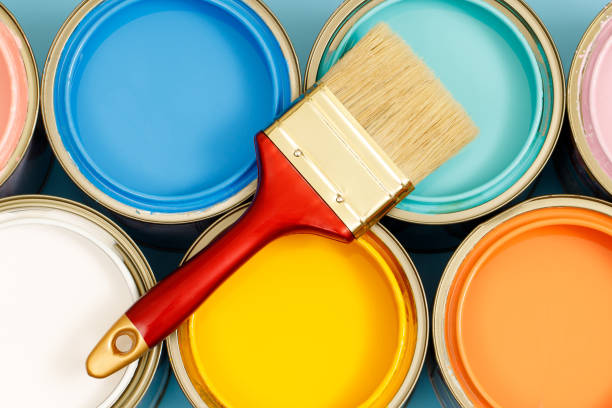
- Angled Brushes: Ideal for cutting in along edges and corners.
- Flat Brushes: Great for large surfaces with consistent strokes.
- Look for brushes with synthetic bristles for water-based paints or natural bristles for oil-based paints.
- Choose rollers with varying nap lengths based on your surface:
- Short Nap (¼ to ½ inch): For smooth surfaces like drywall.
- Medium Nap (½ to ¾ inch): For lightly textured walls.
- Long Nap (¾ inch or more): Best suited for rough surfaces like brick or concrete.
- High-quality roller covers minimize lint loss during application.
- Use painter’s tape to create clean edges and protect trim, baseboards, and window frames.
- Trays simplify loading paint onto rollers effectively without spilling.
- Disposable liners make cleanup fast and hassle-free.
- Attach an extension pole to your roller handle to easily reach ceilings or high walls without ladders.
- Protect floors, furniture, and other surfaces from paint splatters.
- Canvas cloths are durable and reusable.
- Plastic sheeting works well for single-use purposes but may become slippery.
Miscellaneous Supplies
- Sandpaper or Sanding Block Smooth any imperfections on walls before priming or painting to achieve better adhesion. Opt for medium-grit sandpaper (120-150) followed by fine-grit (220).
- Paint Can Opener This small tool makes opening paint cans effortless compared to using screwdrivers or other makeshift items that can damage the lid.
- Stirring Stick Properly mix paint before starting in order to distribute pigments evenly throughout the can.
- Putty Knife Use a putty knife to fill cracks, holes, or dents in walls with spackling paste before painting.
- Primer A good primer ensures better paint coverage while sealing porous surfaces like new drywall.
Advanced Tools for Professional Results
| Tool | Purpose | Notes |
| Paint Sprayer | For quick application on large areas | Requires practice; best for outdoor use |
| Edging Tool | Helps achieve precise lines around tight spaces | Alternative to painter’s tape |
| Ladder/Step Stool | Necessary when working on high ceilings | Choose one with appropriate height |
Benefits of Investing in Quality Supplies
Selecting premium-quality tools upfront often saves time and money in the long run. Here’s why:
– Reduces mess caused by low-grade materials (e.g., shedding bristles). – Ensures even application of paint layers. – Minimizes the need for touch-ups due to tools breaking mid-project.
By assembling these essential tools beforehand, you’ll set yourself up for success as you tackle any painting project confidently while aiming for flawless results every time.
Step-by-Step Guide to Hiring the Best Painter for Your Needs
Hiring a professional painter can make the difference between a flawless finish and a mediocre result. However, finding the right painter requires careful consideration. From assessing credentials to managing expectations, this step-by-step guide will help you hire the best professional for your painting project.
Step 1: Define Your Project Requirements
Before reaching out to painters, it’s essential to understand your own needs. Ask yourself:
– What areas of my home need painting? (e.g., interior walls, ceilings, exterior)
– Are there specific colors or finishes I want?
– Do repairs or preparation work (like filling cracks or sanding) need to be done?
Having clear goals allows you to explain your expectations effectively and helps painters provide accurate estimates.
Step 2: Research Local Painters
Start by gathering a list of potential candidates. You can do this by:
– Asking friends, family, and neighbors for recommendations.
– Searching online directories such as Yelp, Angi (formerly Angie’s List), or Google Maps reviews.
– Checking local social media groups for referrals.
Look for professionals with positive reviews and examples of completed projects that align with your vision.
Step 3: Verify Credentials and Experience
To ensure quality work, verify that the painters you’re considering have the necessary qualifications. Look for:
– Licensing and Insurance: Confirm they carry liability insurance in case of damage or accidents during the project. This safeguards both parties.
– Experience: Ask how long they’ve been in business and whether they specialize in residential projects like yours.
– References: Request contacts from previous clients who can vouch for their craftsmanship and reliability.
Step 4: Request Detailed Estimates
| Item | Details |
| Labor Costs | Hourly rate or flat fee per project |
| Materials | Types/brands of paint & supplies used |
| Surface Preparation | Cleaning, sanding, priming included |
| Timeline | Estimated start and completion dates |
Compare these quotes carefully—not just on cost but also on scope of services provided.
Step 5: Review Contracts Thoroughly
Before hiring any painter, ensure there is a legally binding contract in place outlining all agreed-upon terms. Key elements include: – A clear breakdown of costs. – Payment schedule (e.g., deposit amount vs remaining balance). – Deadlines and guarantees regarding workmanship quality.
Avoid contractors who are unwilling to sign formal agreements—it may be a red flag.
Step 6: Assess Communication Skills
Clear communication is critical throughout any home improvement project. Take note of how responsive each painter is during initial conversations: – Do they answer questions thoroughly? – Are they willing to explain their process? Good communication builds trust and ensures smoother collaboration during the project.
Step 7: Monitor Progress During Execution
Once you’ve hired a professional painter: 1. Regularly check progress against agreed milestones. 2. Address issues promptly if something doesn’t meet expectations. 3. Provide feedback constructively—most professionals value input when it improves results.
By following these steps systematically, you increase your chances of hiring an experienced painter who delivers excellent results tailored specifically to your needs.
- 6 Easy Tips for Choosing the Right Painters Northwest Ohio for Your Needs
- Expert Tips to Define Your Exterior Painting Needs
- How to Choose the Best Painters Northwest Ohio for Your Home
- How Exterior Painting Experts Can Simplify Overwhelming Color Choices
- Find Top-Quality Painting Services Northwest Ohio for Your Next Project
- Choosing the Right Painting Company Ohio | Essential Tips and Questions to Ask Before You Begin
- Your Complete Guide to Finding the Best Painters Northwest Ohio Has to Offer
- How to Choose the Best Painting Company Ohio Offers for Your Project
- How to Find and Hire the Best Painters Northwest Ohio for Your Home